Clinical psychological assessment in Brașov
Specialist clinical psychologist. Clinical psychology is the part about diagnosis and clarity. Before we talk about solutions, we need an accurate picture: what belongs to emotion, what belongs to cognitive functioning, what belongs to context, and what needs to be referred onward, to a doctor.
What to know before you book
- Where
- Str. Crișan 13, Brașov · At the practice in Brașov, or online, on video
- Hours
- Monday - Thursday, 15:00 - 20:00
- Fee
- 500 RON per session
- Session length
- 60 minutes
- How to book
- Pick a time in the calendar, call, or write on WhatsApp.
Many arrive at the practice after years of contradictory answers. One said it was stress, another that it was "nerves", another handed over a label with no explanation.
A clinical assessment puts an end to the confusion. And a result is never left untranslated: what it concretely means for your life, what can change and in how long.
In short
- Specialist clinical psychologist
- Psychological assessment with standardised instruments
- A written case formulation, not only a spoken one
- Correlation with qEEG data, where available
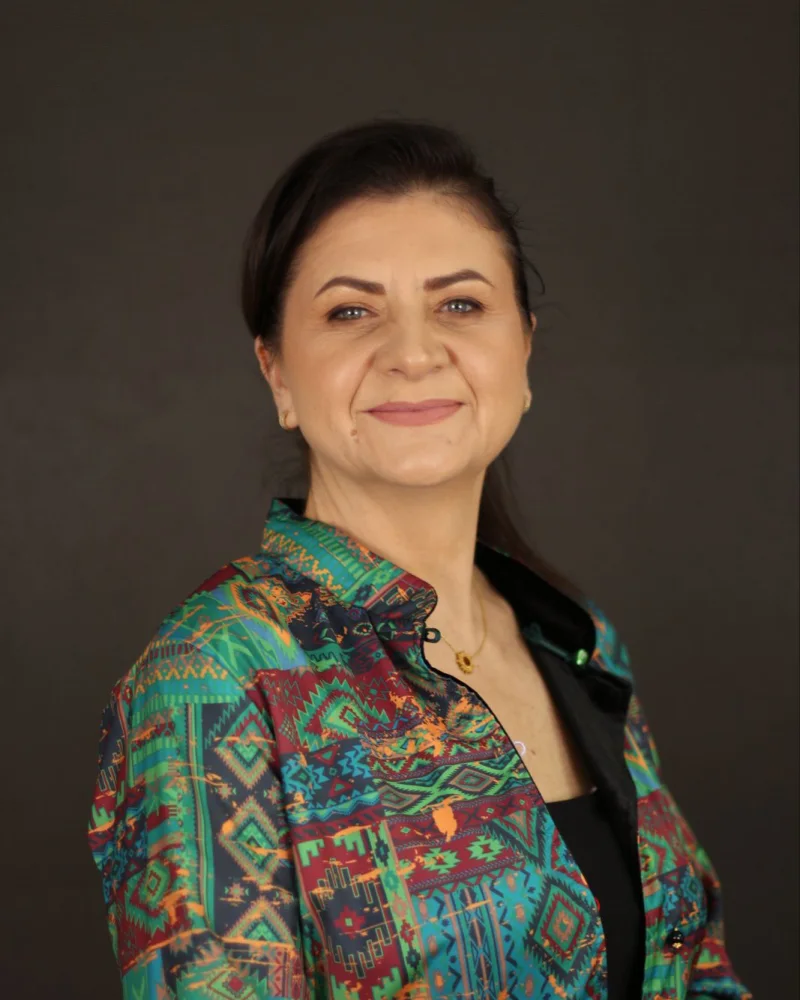
Signed: Alina Robu
I am Alina Robu — specialist clinical psychologist, specialist integrative psychotherapist and specialist sexologist, with over 20 years of clinical practice. I am a doctoral candidate in psychology and neuroscience and co-founder of the BrainMap Institute, where, when useful, the psychological assessment sits next to the qEEG brain map. I assess with a structured clinical interview and standardised tests, and you receive the conclusion in writing.
I am a psychologist, not a doctor: I formulate a psychological diagnosis and a plan; I do not prescribe medication and I do not make medical diagnoses. When what I find belongs to a psychiatrist, a neurologist or another doctor, I say so directly, I write it in the report and I refer you there. I work with adults and adolescents at the practice in Brașov; the interview and the discussion of results can also be held online.
- Specialist integrative psychotherapist
- Specialist clinical psychologist
- Specialist sexologist
- Hypnotherapist
- Neurospecialist and neurofeedback therapist, certified by IFEN Germany
- PhD candidate in psychology and neuroscience
What an assessment done properly looks like
Instruments, not impressions
A structured clinical interview and standardised psychometric tests. Not "it seems to me that", but scores that can be compared and repeated.
A written case formulation
You leave with a document, not with a conversation you forget: what is happening, why it persists, what we do and in what order.
The same complaint, two directions
A low attention profile means one thing if the brain map shows frontal slowing, and something else entirely if it shows a brain exhausted by hypervigilance.
Four steps, in this order
Clinical interview
History, context, current functioning, risk and protective factors.
Validated instruments
Standardised psychological tests for anxiety, mood, attention, personality and cognitive functioning.
Case formulation
A clear document: what is happening, why it persists, what we do and in what order.
Medical collaboration
When a doctor, psychiatrist, neurologist or other specialist is needed, I say so directly and refer you onward.
What you ask for and what you get
| What you ask for | What it includes | What you leave with |
|---|---|---|
| Clinical psychological assessment | Clinical interview plus validated tests | A written case formulation and a staged plan |
| Suspected adult ADHD | Developmental history and specific scales | A clear direction: therapy, a doctor, or both |
| A second opinion | A re-reading of the data you already have | What holds up from the previous conclusions and what does not |
| Cognitive assessment | Attention, memory, executive functions | A profile by function, not a label |
When something falls outside the psychological area, I say so directly and refer you to a doctor, a psychiatrist or a neurologist.
The table scrolls sideways.
The reasons people come to this field with
A good diagnosis is not a label. It is a map you can do something with.
What people ask me before the first consultation
Why is a clinical psychological assessment usually requested?
Do you issue psychological certificates for a driving licence, a firearms permit or employment?
What document do I receive at the end, and what is it for?
How many meetings does the assessment take?
I already have a diagnosis. What does a “second opinion” mean?
I suspect I have ADHD. What does the assessment include?
Can it be done online?
Is it confidential? Who sees the report?
How much does it cost, and is it covered by health insurance?
In the press and on air
The subjects I explain publicly, in national publications and in podcasts.



















Not sure this is the right field for you?
A first conversation clears up exactly that. You tell me what is happening, I tell you honestly which field the work belongs to and whether someone else is needed.